Section 01Service definition
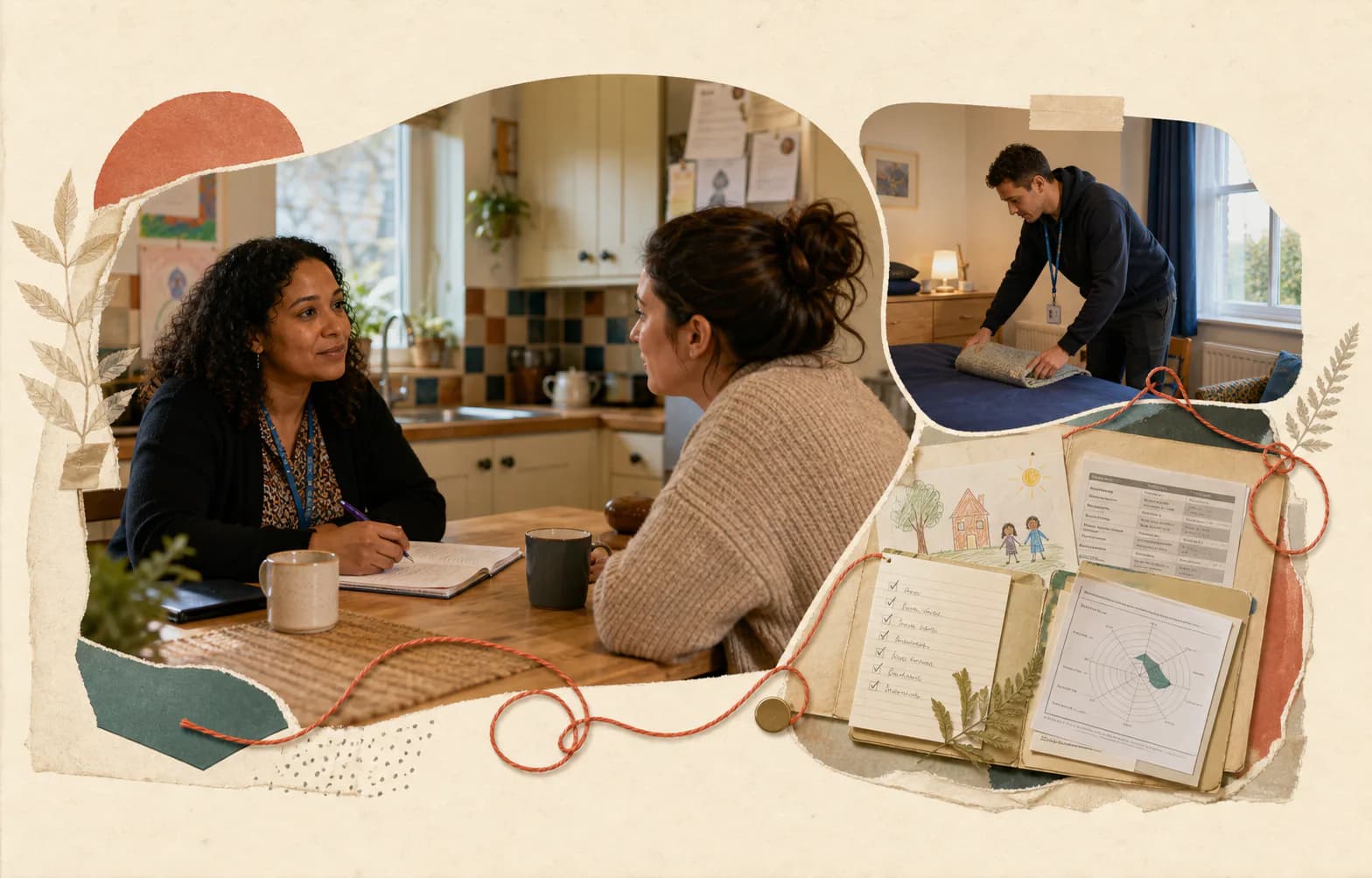
Short breaks for children deliver planned overnight stays, day activities and outreach to disabled children and their families. Provision is delivered in residential, community and family-home settings.
Distinct from adult short breaks in that referral routes, regulatory perimeter and SEND alignment differ throughout.
Section 02Typical client cohort
Children with SEND, including learning disability, autism, complex health needs, sensory impairment and physical disability. Referrals come from local authority children with disability teams and SEND commissioning.
Section 03Commissioning and procurement context
Local authority Short Breaks Statements set out commissioned provision under the Breaks for Carers of Disabled Children Regulations 2011. Frameworks and direct contracts are common.
Section 04Core service requirements
Sensory-aware overnight provision, communication accessibility, named keyworker arrangements, parent-and-carer liaison, EHCP-aligned planning where applicable, and emergency contact protocols.
Section 05Regulatory and compliance framework
Children Act 1989, Breaks for Carers of Disabled Children Regulations 2011, Equality Act 2010, SEND Code of Practice 2015, Working Together to Safeguard Children, and Ofsted registration where the setting requires it.
Section 06Key operational challenges
Sensory and behavioural acuity demands carer matching expertise. Family communication and trust take time to establish. Capacity management at peak holiday periods is a recurring pressure.
Section 07How we approach this setting
We document the matching process, the sensory-aware environment, the EHCP-coordinated planning route and the parent-and-carer liaison framework.
Section 08Typical starting points we handle
Adult short breaks providers extending into children's provision, providers responding to SEND framework refreshes, and disability-specific providers entering local authority short breaks panels.
Section 09Outcomes achieved
Short Breaks Statement framework entry, SEND-aligned spot placement, and integrated short breaks and outreach awards.
Starting point → Outcome
Section 10Related case examples
The case studies below match this care setting and demonstrate the operational evidence base behind successful submissions.
Section 12Where this applies
Local authority children's services, SEND commissioning, and Short Breaks Statement panels.